Washington is built on Cabernet Sauvignon, Syrah, Merlot, and the great Bordeaux and Rhône varieties.
That is not marketing copy. That is agricultural reality. And yet we still hear it: It is too cold up there. It must be basically Oregon. All the wines probably taste the same. No, definitely not, and not even close.
Let’s clear this up properly. With receipts.
The Geography Everyone Forgets
Yes, Western Washington is rainy. Seattle earns that reputation honestly. But our vineyards are not in Seattle.
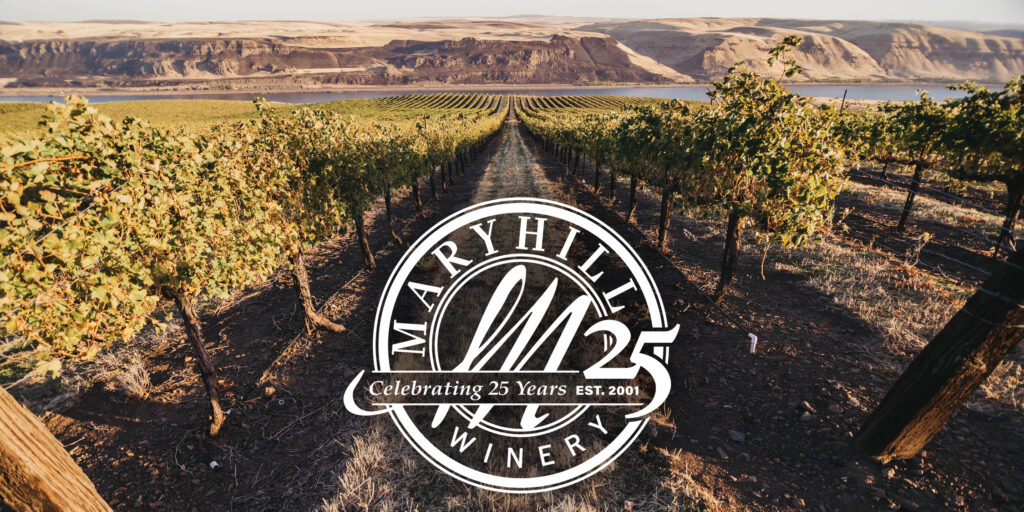
They sit east of the Cascade Range in the vast Columbia Valley, where the mountains block marine weather and create a high desert. It is dry. It is sunny. It is dramatic in a way that rewards patience and precision.
Summer days stretch long with northern daylight. Heat builds steadily across the open land. Then night falls and temperatures drop sharply. That swing is everything.
Warm days ripen Cabernet fully. Cool nights preserve acidity and structure. The vines labor in the sun and recover in the dark. What you taste in the glass is that rhythm. Washington is not chasing ripeness. It achieves ripeness and keeps its composure.
The Cabernet Question
The assumption is simple. Washington is north. Cabernet needs warmth. Therefore it must struggle. It does not.
Pour the 2023 Cabernet Sauvignon and you meet wild blackberries first. Not shy. Not green. Ripe. Chocolate follows. A lift of mint. Savory spice. The tannins are clean and classic, finishing with fresh herbs and pepper. That herbal edge is not underripeness. It is structure. It is tension. It is energy held in reserve.
This is what desert sun and cool nights do together. They create fruit with definition.
Move to the 2020 Cabernet Sauvignon Proprietor’s Reserve and the conversation shifts. Black currant, fruit pie, clove, cocoa powder, dried herbs. On the palate there is lushness, subtle vanilla, cedar. The sweetness is natural fruit weight, not sugar. It feels generous but never heavy. That balance comes from heat moderated by structure.
Washington Cabernet does not collapse under its own ambition. It holds its line.
Place Within Place
The Columbia Valley is vast, but it is not uniform. Within it are vineyard sites that refine Cabernet in distinct ways.
From Klipsun Vineyard on Red Mountain, one of the warmest and most concentrated sites in the state, comes a Cabernet with sculpted intensity. The 2022 vintage opens with dark fruit and black tea, layered with an earthy granite note that feels almost architectural. The tannins are silky at first, then build steadily into a warm, chocolate laced finish. Red Mountain delivers power, but it is disciplined power. Heat accumulates thoroughly, thickening skins and deepening color without sacrificing control.
Travel west within the valley and you reach Elephant Mountain Vineyards. Our 2020 Cabernet
leans into breadth. Red berries and ripe jam unfold into chocolate and tobacco, with a trace of wood and earth anchoring the finish. It earned Gold at the 2023 Seattle Wine Awards, but the more meaningful accolade is its balance. Sun drenched fruit held upright by firm tannin.
At McKinley Springs Vineyard, wind shapes the vines as much as sun does. The 2020 Cabernet shows blueberries and dried sage with robust tannins and a toasty wood char finish. Horse Heaven Hills fruit often carries both breadth and lift. The wind thickens skins and concentrates flavor. You can taste that resilience.
Further north, Les Collines Vineyard gives us a Cabernet that leans into polish without sacrificing depth. Black currant and elderberry, a touch of tamarillo and sage, then chocolate, clove, ginger, baking spice. The tannins finish soft and smooth. Walla Walla fruit often brings elegance to Washington’s inherent structure. This 2020 vintage took Gold and 94 points at the 2023 Seattle Wine Awards, but the real story is how seamlessly power and finesse coexist.
And then there is Otis Vineyard. The 2021 Cabernet from Otis opens with warm dried herbs, licorice, plum, and cherries. The palate is smooth, almost restrained, then expands into layered black fruit and a delicate finish. The 2020 vintage echoes that composure. Otis proves that Washington Cabernet can whisper and still command attention.
Same grape. Same state. Different expressions shaped by sun, soil, wind, and elevation, proving that where it’s made matters.
Not Oregon. Not Napa. Simply Washington.
Oregon built its global reputation on Pinot Noir grown in a cooler, maritime climate. Napa built its name on plushness and prestige.
Washington built its foundation on structure.
The desert conditions east of the Cascades allow for full phenolic ripeness without sacrificing acidity. Irrigation offers precision. Long daylight hours intensify development. Cool nights lock in freshness.
The result is Cabernet that carries ripe black fruit, firm tannins, and natural balance. It ages. It evolves. It holds its shape. It is not trying to be anything else.
The wines speak. They speak in blackberry and black currant. In dried sage and chocolate. In granite, cedar, tobacco, and pepper. In tannins that feel deliberate, not accidental.
Washington Cabernet is not an experiment. It is a commitment. And if there is still doubt, just come in and taste for yourself.
About Maryhill Winery
Maryhill Winery is one of Washington’s most celebrated wine destinations, known for crafting award-winning, approachable wines that showcase the diversity of the Columbia Valley. Family-owned since 1999, Maryhill crafts one of the region’s most diverse portfolios, sourcing from premier vineyards across eight AVAs. Maryhill invites guests to experience the spirit of Washington wine through unforgettable moments at one of their four tasting rooms, as well as through their popular wine club memberships.Learn more at maryhillwinery.com.