
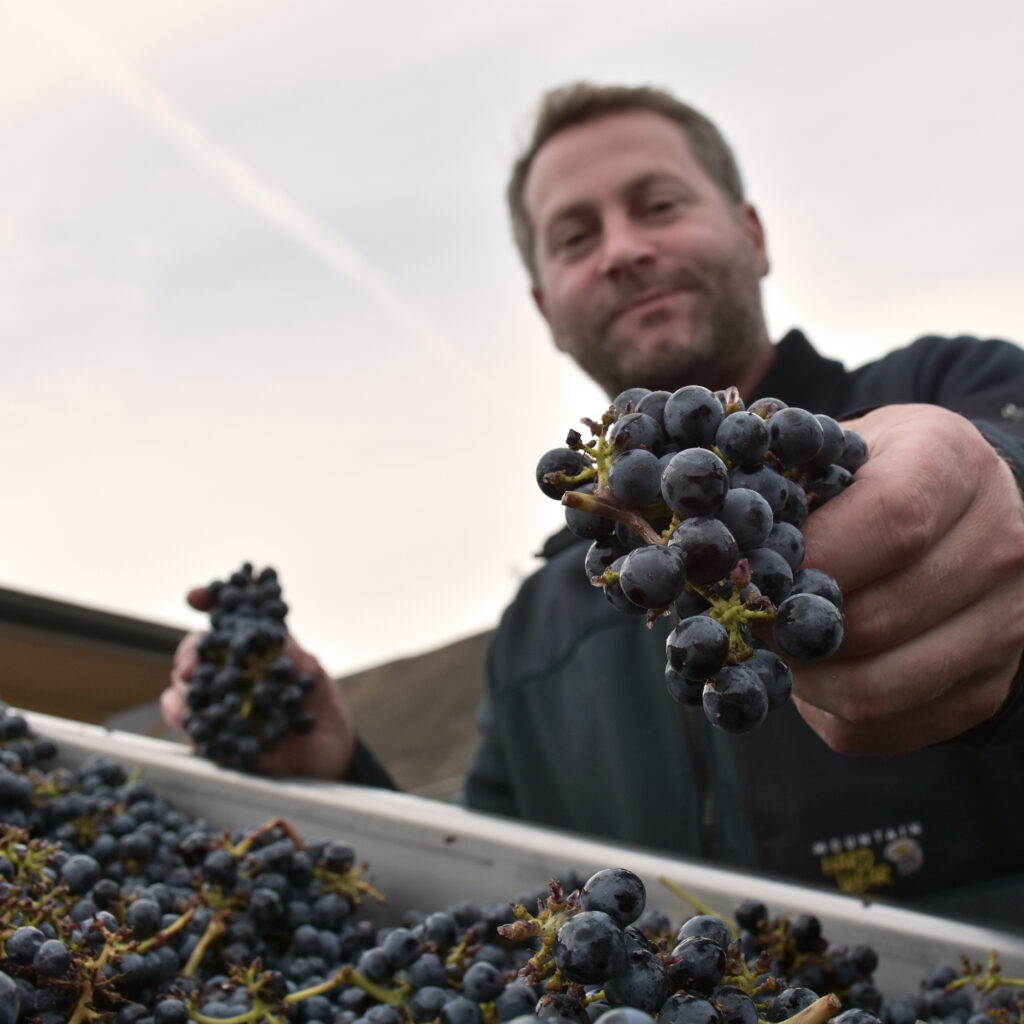
Richard Batchelor will tell you the wine is made in the vineyard. He is right. He will also tell you that what happens after harvest is where discipline separates good wine from great wine. He is right about that too. Three-time Winemaker of the Year. Sixty-five wines across more than 35 varietals. Eighty thousand cases annually. Seventeen growers. Twenty-eight unique vineyard locations across seven of Washington’s fourteen major AVAs. This is a precisely managed, deeply intentional winemaking program, not a small operation running on instinct, and it produces wines people can actually afford to drink regularly.
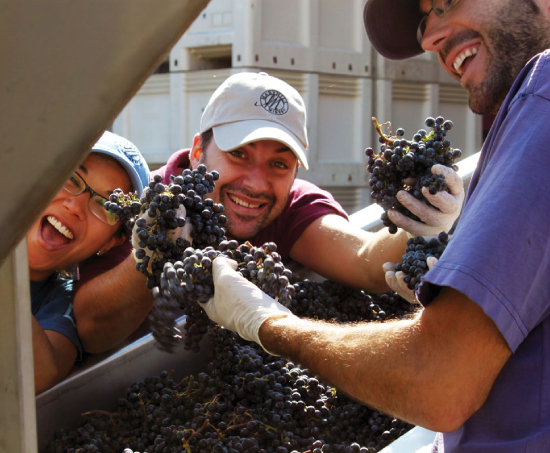
Maryhill’s Proprietor’s Reserve and Vineyard Series wines run through an optical sorter built by a Washington state company. Photo eye technology reads every berry and ejects anything that does not belong, with a jet of air, before it ever touches the wine. Only perfectly colored, perfectly selected fruit makes it through. The standard is set before fermentation begins.
From there, the paths diverge by style. White wines are drained from the skins immediately and transferred to stainless steel tanks or barrels for fermentation, preserving freshness and varietal clarity. Red wines keep their skins on, extracting color, flavor, and the tannin structure that gives Washington reds their backbone. Rosés are introduced to skins for roughly 18 hours, dialed in by desired color and flavor, then pressed to capture exactly the right expression before fermentation.
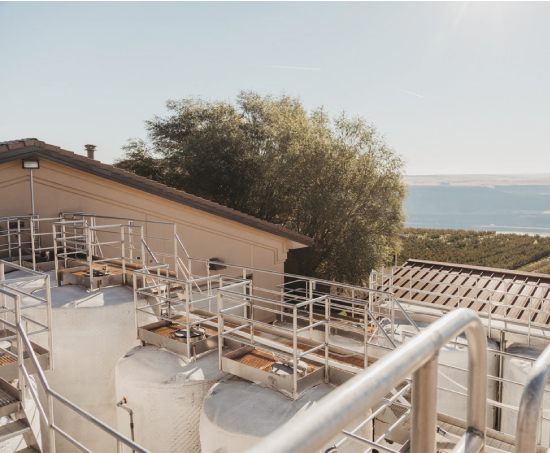
The double-walled tanks filled with food-grade glycol allow the team to manage fermentation temperatures with precision, in both directions. That level of control matters when you are producing wines at this scale without sacrificing character.
For reds, Maryhill allows native yeast and the natural flora of the grapes and winery to begin fermentation. Over the years this has developed distinct house yeast strains that contribute directly to Maryhill’s signature red wine style, creating greater diversity of aroma and flavor from the same fruit. Whites are fermented with cultured yeast, focused on producing clear varietal distinctiveness and the kind of consistency that keeps a wine tasting like itself vintage after vintage. When you are working with long-term vineyard partners and producing wine at this volume, consistency is a craft, not a compromise.
Crossflow filtration is an automated, gentle process that pushes wine through a filtering medium without chemicals, without distorting the wine’s natural state, and without the losses that come with more aggressive methods.
No filter aids. No change of state. Better retention of natural character and aroma. Less waste. It is an environmentally responsible process that also produces a cleaner, more expressive finished wine. The fact that it simplifies the steps before bottling is a bonus, not the point.
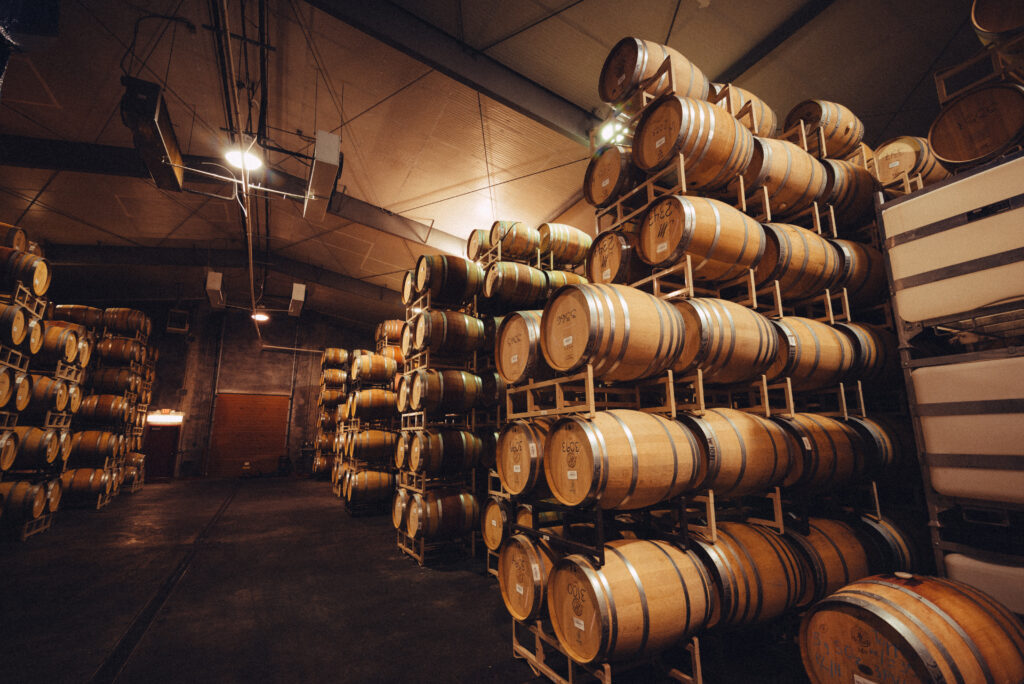
French, Hungarian, Russian, Slovakian, and American oak, each bringing its own character to the wines that rest inside them. The team also uses oak staves, large planks added to stainless steel tanks before, during, or after fermentation, to deliver oak characteristics with precision and flexibility. How long a wine spends in oak, what kind of oak, what level of toast: each of those choices shapes what ends up in the bottle.
Winemaking is both an art and a science. Richard and his team navigate that line on every wine, every vintage. The result goes to a state-of-the-art bottling line where all wines are sterile filtered to ensure stability. In exceptional years, select wines skip filtration entirely, honoring a more traditional approach when the vintage earns it.
Eighty thousand cases. Sixty-five wines. One standard. Because where it’s made, matters.
Maryhill Winery produces 80,000 cases annually, partnering with 17 growers and 28 unique vineyard locations in 7 of Washington State’s 14 major American Viticultural Areas (AVAs), making it a true representation of the state’s wine. Throughout the year, winemaker Richard Batchelor works closely with local growers to collaborate on growing practices.
Maryhill is known for its use of a wide variety of grapes to create approachable wines, which showcase the impeccable technique and artistry of the growers who produce them. Batchelor’s passion, skill and discipline as a winemaker has been widely celebrated, but he humbly claims that a major factor in what comes out of the bottle is what is delivered from each vineyard.
Maryhill’s Proprietor’s Reserve and Vineyard Series wines run through an optical sorter from a local Washington company. This photo eye technology ejects a jet of air to remove any non-berry the machine is programmed to eliminate, thus ensuring only perfectly colored berries make it into the tank.
For white wines, the juice is immediately drained from the skins and transferred to stainless steel tanks or barrels for fermentation. With the reds, the skins are kept on to create the beautiful red color and to extract all of the flavor and tannins. For the rosés, the skins are introduced for about 18 hours, depending upon desired color and flavor. The grapes are then pressed to obtain the pink juice to ferment.
Maryhill Winery utilizes both glycol cooling and heating on their tanks. The dimples on the tanks indicate a double walled area that is filled with glycol (a liquid-like food grade anti-freeze). Maryhill is one of the only wineries in Washington that use both cooling and heating control.
Maryhill allows the native yeast and flora of the grapes and winery to begin the red wine fermentation. This has created Maryhill’s house style in red wines and also has developed a few different yeast strains to ferment the wines, culminating in a greater diversity of aroma and flavors. The whites are fermented with a cultured yeast. With long running partner vineyards aiming for consistent wine characteristics each year, Maryhill aims to produce whites with clear varietal distinctiveness. Consistency is key, especially when making large volumes of wine.
Maryhill uses crossflow filtration technology for clarification. This method is automated and uses a gentle filtration, without other chemicals, to force wine through a medium. This allows for better retention of natural character and aroma in the finished wine, and helps to have less wine losses.
Crossflow filtration is a ‘soft’ process because the filtering is made without any change of state of the filtered element, and never gets distorted. It is also an environmentally-friendly process as no filter aid is used. It therefore has very strong advantages as it drastically simplifies the steps used to process the wine before bottling and it can reduce or eliminate the need for some consumables.
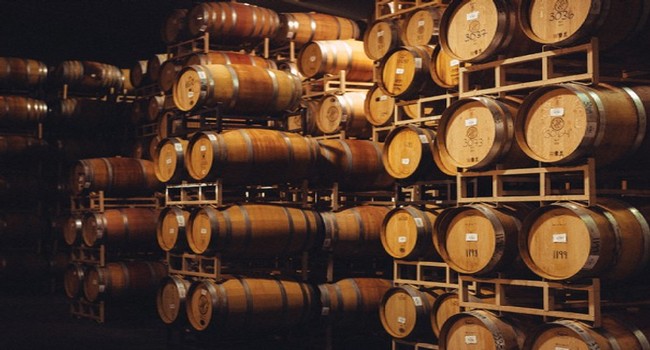
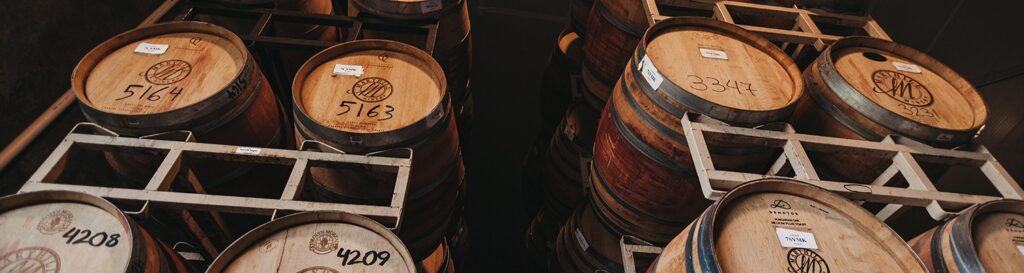
Maryhill’s barrel room has the capacity to hold up to 2,000 barrels at any given time. Several different types of oak from many countries are used for the barrels; French, Hungarian, Russian, Slovakian, and American oak.
In addition to aging the wine in barrels, the winemaking team also uses oak staves to deliver oaked characteristics to the wine. Oak staves are large planks or thick sticks of oak that are added to wine or juice in stainless steel tanks or barrels before, during or after fermentation.
Winemaking is both an art and a science. There are many decisions Richard and the team have to make, such as how long to keep a wine in oak, what kind of oak to use and what level of toasting.
The wine is then bottled on a state of the art bottling line. All wines are sterile filtered on the bottling line to ensure nothing can grow in the bottle before pulling a cork for enjoyment. Some wines in certain unique years will not be filtered to allow for a more traditional method approach to a finished wine.